May 6, 2026
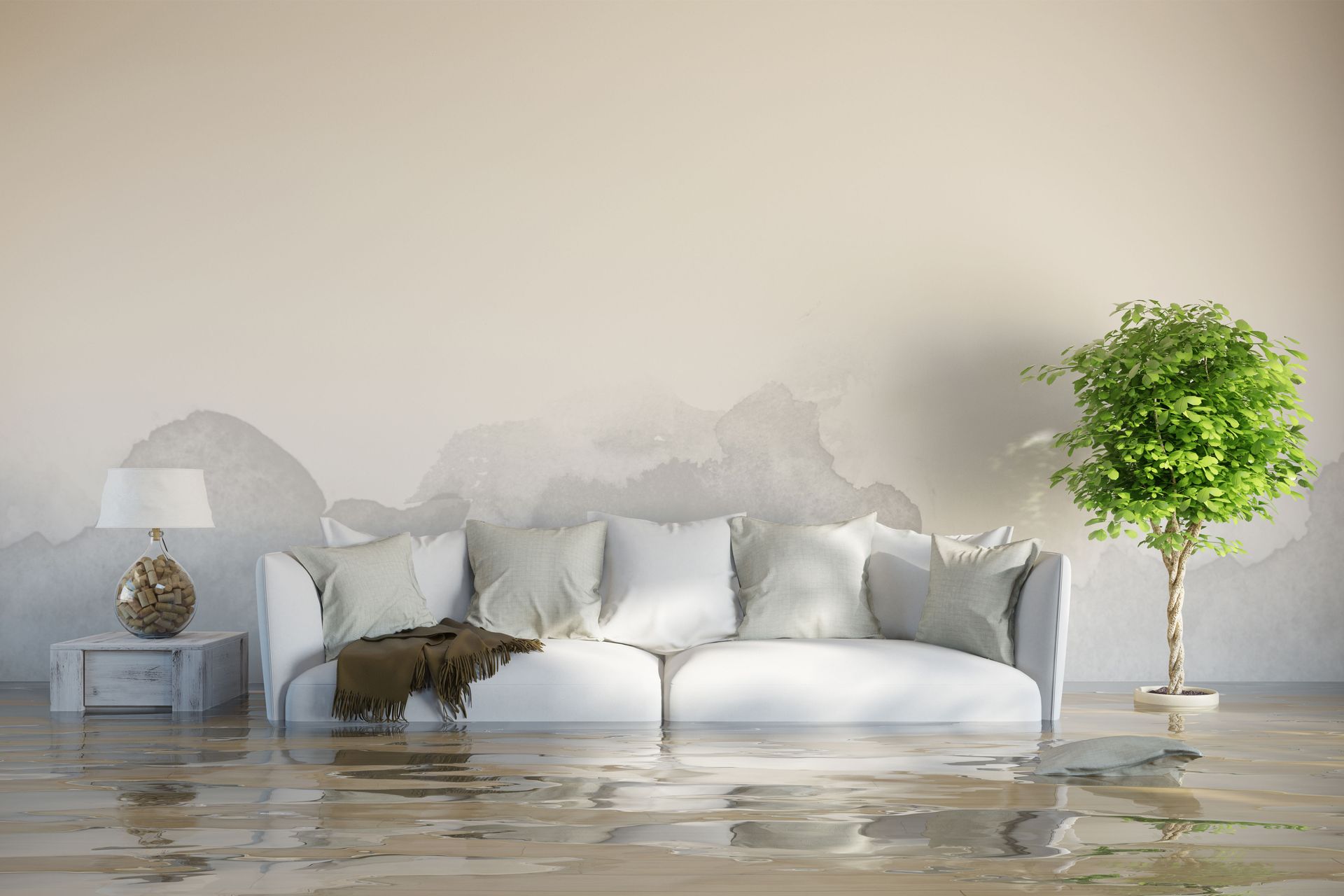
The sanctity of a home is often defined by its ability to provide shelter against the elements, yet some of the most significant threats to a property originate from within its own walls. Residential flooding is a pervasive issue that affects homeowners across diverse climates and architectural styles. While many associate flooding exclusively with torrential downpours or overflowing riverbanks, the reality is that internal systemic failures and structural vulnerabilities frequently serve as the primary catalysts for water intrusion. Understanding these triggers is the first step toward safeguarding a residence and ensuring that the structural integrity of the building remains uncompromised over time.
When water escapes its intended path, the consequences are immediate and often devastating. From the saturation of floorboards to the compromise of electrical systems, the path of destruction is swift. In these moments, homeowners often find themselves seeking professional water damage restoration services to mitigate the long-term effects of moisture, such as mold growth and rot. By identifying the root causes of these incidents, individuals can transition from a reactive stance to a proactive one, implementing maintenance routines that significantly reduce the likelihood of a catastrophic event.
Maintaining Aging Pipe Networks
Corrosion serves as a silent enemy within the plumbing systems of older residences. Over many years, the metallic components of pipes undergo chemical reactions with the water they carry, leading to a gradual thinning of the pipe walls. This degradation often goes unnoticed until a pinhole leak develops or, more dramatically, a pipe bursts under the pressure of standard usage. Residential plumbing is designed to last for several decades, yet the transition from functional to failing can happen abruptly when maintenance is deferred.
Beyond simple wear and tear, environmental factors play a significant role in the health of a home’s piping. In regions where temperatures drop significantly during the winter months, the risk of pipes freezing is a constant concern. When water freezes inside a copper or plastic line, it expands with immense force, often causing the material to split. Once the ice thaws, the resulting deluge can fill a basement or crawlspace in a matter of hours. Engaging in water damage restoration becomes a necessity in these scenarios to dry out the structural supports and prevent the warping of wooden frames.
Inspecting Faulty Appliance Connections
Modern convenience relies heavily on water-fed appliances, including washing machines, dishwashers, and refrigerators with integrated ice makers. While these machines simplify daily chores, they represent multiple points of potential failure. The rubber hoses traditionally used to connect washing machines to the main water supply are prone to drying out and cracking. Under constant pressure, a weakened hose can rupture, releasing a continuous flow of water into the laundry room and surrounding areas.
Dishwashers present a different set of challenges, often involving slow leaks that occur beneath the unit where they are hidden from view. A faulty seal or a loose drainage connection can allow small amounts of water to seep into the subflooring every time a cycle is run. Over several months, this persistent moisture can lead to significant structural decay and the proliferation of fungal spores. Regular inspections of these connections are vital for preventing the type of extensive saturation that requires professional intervention.
Repairing Vulnerable Roofing Materials
The roof is the primary barrier between a home’s interior and the sky, yet it is frequently the most neglected aspect of property maintenance. Shingles can be stripped away by high winds, and flashing can pull away from chimneys and vents, creating entry points for rainwater. Even a minor breach in the roofing material can allow water to enter the attic, where it may go undetected for a long time as it saturates insulation and weakens the ceiling drywall.
Gravity ensures that any water entering through the roof will eventually find its way down to the lower levels of the home. It can travel along rafters and inside walls, appearing as mysterious damp spots on the first floor. This type of flooding is particularly insidious because the source is often far removed from the visible damage. Homeowners must be diligent in checking for missing shingles or granules in the gutters, as these are early warning signs that the protective barrier is failing and that the interior is at risk of water-related catastrophe.
Assessing Foundation Wall Integrity
Over the course of many years, the earth surrounding a home shifts and settles. This movement can cause the foundation to develop fissures and cracks. While some settling is normal, large gaps allow groundwater to seep into the home, especially during periods of high soil saturation. This is often a slow-motion flood, where the basement gradually becomes damper and more humid until standing water finally appears.
Addressing foundation issues requires a combination of internal sealing and external grading. If the ground slopes toward the house rather than away from it, water will naturally collect against the walls, seeking any possible entry point. Ensuring that the landscape is properly graded helps to divert this flow. In cases where the foundation has already been compromised, the use of water damage restoration professionals is often necessary to address the moisture that has been absorbed by the concrete and any finished materials in the basement area.
Evaluating Related Household Hazards
While water is the focus of this discussion, it is important to recognize that household safety is multifaceted. Homeowners must remain vigilant about various risks to protect their investment and their families. For example, fire safety is another critical area of concern. According to The Zebra, cooking remains the leading cause of house fires in the nation, accounting for 50% of all residential incidents. Just as a small leak can lead to a massive flood, a simple kitchen mishap can lead to a total loss of property, highlighting the need for constant awareness across all home systems.
Maintaining a safe home environment requires a holistic approach. Just as one would monitor the stove to prevent a fire, one must monitor the water heater for signs of rust or the windows for signs of failing seals. The interconnectedness of home systems means that a failure in one area can often exacerbate issues in another. For instance, a fire may necessitate the use of thousands of gallons of water to extinguish, which then requires intensive water damage restoration to save the structure from the very liquid used to protect it from the flames.
The threat of residential flooding is a multifaceted challenge that requires consistent attention and a proactive mindset. From the hidden networks of pipes to the visible expanse of the roof, every component of a home plays a role in keeping water where it belongs. By understanding the common causes of flooding—ranging from appliance failures to structural vulnerabilities—homeowners can take the necessary steps to fortify their properties. Regular inspections, timely repairs, and an awareness of the age and condition of home systems are the best tools available for preventing the disruption and financial strain of a flood.
When the unexpected occurs and water breaches the home, the path to recovery involves more than just mopping up the mess. It requires a detailed approach to extraction, drying, and sanitization to prevent long-term damage and health risks. Professionals in the field of water damage restoration possess the equipment and expertise to return a home to its pre-loss condition, providing peace of mind to those facing the aftermath of a leak or flood.
If you find yourself facing the challenges of water intrusion, do not wait for the damage to spread. At Restorative Pros, Inc., we are committed to helping you recover your home and protect your future through expert mitigation and repair services.